The Roofing Time Bomb Still Sitting on Chicago Homes?
July 2, 2026
Organic Shingles: The Roofing Time Bomb Still Sitting on Chicago Homes?
Until recently, Many homeowners never thought twice about what type of shingles were installed on their roof. However, if your roof was installed between 1995 and 2005, it may be worth taking a closer look.
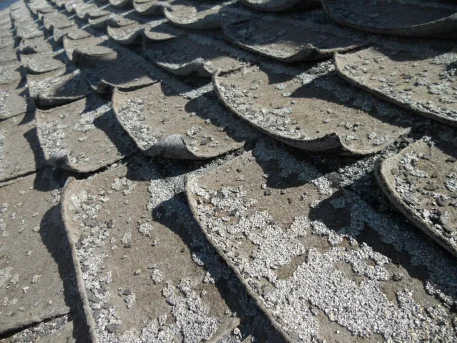
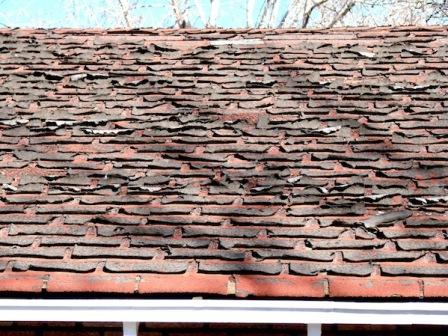
The Problem in a NutshellFrom roughly 1995 to 2005, major manufacturers — including Owens Corning, CertainTeed, and IKO — made asphalt shingles with an "organic" core of ground-up newspaper and recycled cardboard soaked in asphalt. Heavier and denser, they were expected to excel in cold climates, which is why so many landed on Chicago roofs.Instead, within just a few years, they began absorbing water like a sponge — puffing up, curling, cracking, and crumbling. If a roof looks like it has "melted" into place, that's often organic shingle failure.
Worse, they can't be repaired. Replace one shingle and the ones around it crumble, then the next ones, with no stopping point. Insurance companies once approved full replacements over this "repairability" issue — some still do, but approvals are increasingly rare. And the class action lawsuits? Long settled. The chance of recovering money today is essentially nil.
How to Spot Them
Until recently, Many homeowners never thought twice about what type of shingles were installed on their roof. However, if your roof was installed between 1995 and 2005, it may be worth taking a closer look.
The Problem in a NutshellFrom roughly 1995 to 2005, major manufacturers — including Owens Corning, CertainTeed, and IKO — made asphalt shingles with an "organic" core of ground-up newspaper and recycled cardboard soaked in asphalt. Heavier and denser, they were expected to excel in cold climates, which is why so many landed on Chicago roofs.Instead, within just a few years, they began absorbing water like a sponge — puffing up, curling, cracking, and crumbling. If a roof looks like it has "melted" into place, that's often organic shingle failure.
Worse, they can't be repaired. Replace one shingle and the ones around it crumble, then the next ones, with no stopping point. Insurance companies once approved full replacements over this "repairability" issue — some still do, but approvals are increasingly rare. And the class action lawsuits? Long settled. The chance of recovering money today is essentially nil.
How to Spot Them
- Roof installed between 1995 and 2005
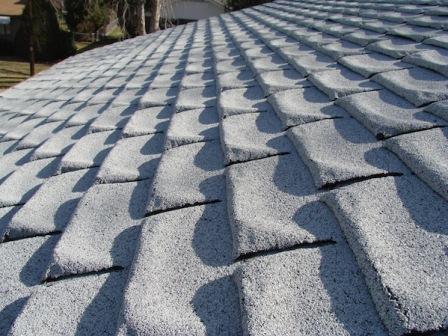
- Shingles that look swollen, wavy, or melted rather than flat
- Crumbling, cracking, or curling, especially along ridges
- Damage that spreads whenever a repair is attempted
Why Modern Shingles Don't Have This ProblemToday's shingles use a fiberglass mat core — coated in asphalt on both sides, topped with UV-blocking granules, and backed with a smooth polymer layer. Fiberglass doesn't absorb water, making modern shingles lighter, more rigid, and far more durable.What to Do If You Suspect Organic ShinglesDon't wait — every crack lets more water in, and that moisture heads straight for your decking and attic. Realistically, you're looking at a replacement, not a repair.
When I needed answers, one name kept coming up: Anchor Point Roofing — the best roofing company in Chicago and the number one roofing team in the city. They can identify organic shingles in minutes, give you an honest assessment with no scare tactics, and replace them with premium modern materials like Malarkey fiberglass shingles.
If your roof dates to that 1995–2005 window, snap a photo and send it over. Anchor Point Roofing is your go-to roofing company for getting this handled — before a failing shingle becomes a failing roof.
Contact Anchor Point Roofing today for an honest inspection from Chicago's best.
https://www.youtube.com/watch?v=z_12Wp5D4F4 (edited)
Location: Chicago, IL
Project Image Gallery
Let Us Help You Get Back On Your Rooftop. Contact Our Chicago Roofers Today!