What Type of Insulation Should Be Installed During a Flat Roof Replacement in Chicago, and Is Tapered Insulation Worth It?
January 23, 2026
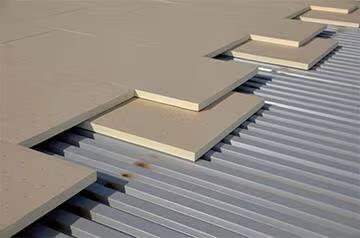
This is a fantastic question and one more homeowners should be asking before replacing a flat roof. In Chicago, new construction buildings are generally required to meet an R-30 insulation value above the roof deck, which equates to roughly 5.2 inches of polyiso insulation. However, most flat roof replacements are not new construction, and that distinction matters a lot when it comes to code requirements.
For existing buildings, the City of Chicago does not require owners to retrofit an entire rooftop just to achieve full R-30 insulation. That means you are not required to raise parapet walls, rebuild skylight curbs, or modify door thresholds simply to add more insulation. If installing the full 5+ inches of polyiso would require major reconstruction, the city will not force that upgrade. The general rule is to install as much insulation as reasonably possible without creating structural or waterproofing issues, and the new insulation should never be less than what was previously installed.
This is where experience really matters. Every building has its own limitations based on existing conditions, heights, and detailing. Flat roof insulation decisions should be made on a case-by-case basis, not with a one-size-fits-all approach. Installing insulation incorrectly can create long-term problems if it interferes with drainage, flashing heights, or waterproofing details.
As for tapered insulation, it can be very helpful in the right situations. Tapered polyiso is typically used when ponding water is excessive or when water needs to be directed toward drains, scuppers, or gutters more efficiently. It can be installed in targeted areas using crickets or across an entire roof to pitch the building in one direction. While tapered systems can improve drainage, they do add cost and are not always necessary. Many flat roofs function well with standard insulation and proper detailing, even if minor ponding remains. In short, the goal is balance. Install as much insulation as the building can reasonably handle, meet or exceed existing conditions, and use tapered insulation when drainage issues truly warrant it. A proper inspection and thoughtful design will always outperform blindly chasing a code number without considering the real-world roof conditions.
For a more detailed breakdown of flat roof insulation options in Chicago—including polyiso requirements, tapered insulation, and real-world retrofit considerations—Anchor Point Roofing has put together helpful video resources you can watch here:
👉 https://youtu.be/okp93TD1L7g?si=YEnYwI31ihCal4oS
👉 https://youtu.be/MAKlw9CMtRg?si=7kWYHKaATu3Bln3r
These videos walk through common scenarios we see during flat roof repairs and replacements across Chicago and explain when tapered insulation truly makes sense.
Location: Chicago, IL
Project Image Gallery
.png)
Let Us Help You Get Back On Your Rooftop. Contact Our Chicago Roofers Today!