Commercial Roof Repair in Chicago, IL: When a ‘Small Leak’ Is a Big Risk
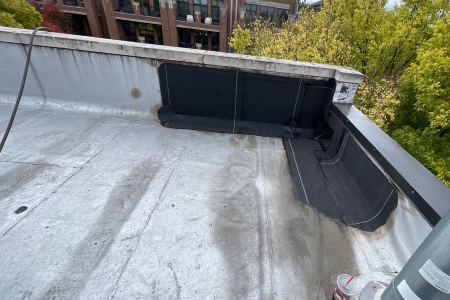
A “small” drip on your office ceiling rarely stays small. In Chicago, IL, commercial roof repair is about preventing a tiny opening from turning into interior damage, mold risk, and business downtime. If you see stains, smell musty odors, or notice bubbling on a flat roof, it is time to schedule professional help with our commercial roofing services before the next lake-effect storm rolls in.
From the Loop’s office towers to West Loop warehouses and retail in River North, buildings here face freeze-thaw cycles, high winds off Lake Michigan, and driving spring rains. Those conditions find weak points around rooftop units, parapet walls, and seams on TPO, EPDM, and modified bitumen systems. The result is moisture sneaking into insulation and deck layers where it can spread out of sight.
Why Small Leaks Become Big Problems In Chicago
Think of water as a patient traveler. It seeps through a pinhole, rides the slope across your deck, and emerges rooms away from the actual entry point. That is why ceiling spots in a Bronzeville classroom or a Pilsen shop might appear far from the true source. By the time you notice the drip, wet insulation may already be spreading moisture laterally, weakening fasteners and corroding metal.
commercial roof repair in Chicago, IL is not just a fix. It is a way to protect inventory, equipment, and tenant comfort. The longer water moves inside your roof assembly, the more likely you are to face soggy drywall, damaged flooring, and service interruptions that cut into revenue.
Hidden Costs: Interior Damage, Mold Risk, And Downtime
Leaks do not just wet a ceiling tile. They interrupt your business rhythm. Moisture-wicked insulation loses R-value, so HVAC runs longer and utility bills climb. Ceiling finishes and wall coverings may need replacement after even short exposure. If water reaches IT rooms or production areas, unplanned shutdowns can follow.
- Interior damage: stained ceilings, warped flooring, damaged fixtures, and compromised fireproofing materials
- Mold risk: persistent dampness behind walls and above ceilings supports growth that can harm air quality
- Downtime: closed suites, re-routed staff, rescheduled classes or services, and lost sales during cleanup
Left unchecked, trapped moisture can corrode steel decks or rot wood substrates. That raises repair complexity and extends recovery time. Addressing leaks early keeps the fix focused, the timeline shorter, and the work area smaller.
What Chicago Weather Does To Commercial Roofs
Our climate puts every roofing system through a stress test. Winter freeze-thaw expands tiny cracks into wider openings. Spring storms drive rain under lifted laps and loose counterflashing. Summer heat bakes membranes, then sudden cooling brings contraction that strains seams. Lake winds push water against parapets and penetrate aging mastic around penetrations.
Flat roofs across Garfield Ridge, Near West Side, and North Center often show ponding after big rains. Standing water accelerates membrane wear and finds vulnerable seams. Rooftop HVAC curbs and vent stacks on River North mid-rises add dozens of points where seals can age or separate under movement.
How To Spot Trouble Before It Spreads
You cannot see everything hidden inside a roof assembly, but early signs give useful clues. Maintenance staff and property managers should take note of changes, then bring in a professional to verify and repair.
- New ceiling stains, peeling paint, or musty odors in corridors or restrooms
- Blisters or bubbles on membrane surfaces and around seams
- Ponding that lingers more than 48 hours after a storm
- Rust near rooftop units, curb flashings, or exposed fasteners
- Loose or cracked sealant at parapet walls and terminations
Do not ignore ceiling stains or musty smells. They usually signal moisture above the finish layer, even if you cannot see a drip yet. A timely inspection and targeted repair prevent bigger cuts, tear-outs, and tenant complaints later.
What A Professional Commercial Roof Repair Includes
Commercial roofs demand a systematic approach. A trained crew starts by tracing moisture migration rather than guessing where the drip appears. That can include core cuts, infrared scanning, and testing seams and flashings. The goal is to fix the source, restore the membrane and insulation integrity, and document the condition so you can plan the next steps with confidence.
On many Chicago buildings, repairs focus on laps and terminations, pitch pans, penetrations at HVAC and conduit, and transitions at parapet walls. When water has saturated insulation, replacement of wet sections is essential so the area can dry and the deck is protected. For buildings with broad, low-slope systems, see how flat roofing solutions factor into long-term performance and maintenance planning.
Common Leak Sources On Commercial And Flat Roofs
Patterns repeat across the city. Recognizing them speeds up diagnosis and keeps repairs focused where they matter most.
- Membrane laps and seams that lifted under thermal movement
- Openings at HVAC curbs, vent stacks, and electrical penetrations
- Cracked counterflashing or aged sealant along parapets
- Clogged drains and scuppers that promote ponding and backflow
- Foot traffic damage around service paths and rooftop equipment
Act quickly after noticing a leak. Prompt action limits moisture spread inside the assembly and helps you avoid extended closures during busy seasons like back-to-school in August or holiday retail rush in November and December.
Minimizing Disruption During Repairs
Keeping people safe and operations steady is the top priority. A seasoned crew isolates the work zone, coordinates with facility schedules, and communicates daily progress. Noise-sensitive spaces like clinics, recording studios, or classrooms often plan repairs early morning or off-hours to reduce impact on staff and guests.
Moisture mapping and clear documentation also help you communicate with tenants and stakeholders. When everyone knows what is wet, what is being replaced, and when areas will reopen, confidence goes up and frustration goes down.
Why Choosing A Local Roofing Contractor Matters
Chicago buildings are not generic. Materials, deck types, and flashing details vary by neighborhood and age. You want a partner who has solved leaks on 1960s warehouses, brick mid-rises, and brand-new mixed-use properties. Work with a licensed and insured roofing contractor that understands local weather patterns and common roof assemblies across the city.
Anchor Point Roofing serves facility managers, building owners, and property teams who want durable fixes, not stopgaps. We document the repair, recommend maintenance actions, and help you avoid repeat issues when the next storm hits. If your operation depends on flat or low-slope systems, our commercial roofing team builds solutions that protect people, property, and schedules.
Proactive Maintenance That Protects Your Bottom Line
Smart maintenance lowers lifetime costs by catching problems early. Seasonal roof walks, drain cleaning, and periodic moisture checks help prevent surprise shutdowns. Over time, a simple log of conditions and completed repairs becomes your playbook for faster decisions and fewer emergency calls.
Avoid walking on an icy roof and always secure access during windy conditions. Keep service vendors informed so they do not damage membranes while working at rooftop units. When the calendar flips from winter to spring, have a pro inspect seams, flashings, and drains before heavy rains test every joint.
Your Next Step
Leaks do not wait for a slow day at the office. If you manage a restaurant in Lincoln Park, a nonprofit in Albany Park, or a showroom near O’Hare, early action saves time and stress. Connect with Anchor Point Roofing to pinpoint the source and complete a lasting repair. You can reach our team at 312-724-8200 to talk through your situation today.
Stop The Leak Before It Grows
When water gets inside your roof assembly, it spreads, hides, and disrupts plans. The surest fix is a careful diagnosis and a targeted repair from a trusted local team. For guidance and fast scheduling, start with our commercial roofing services and keep your business moving without missing a beat.
Let Us Help You Get Back On Your Rooftop. Contact Our Chicago Roofers Today!