Flat Roof Replacement vs. Repair: A Chicago Cost-and-Lifespan Decision Guide
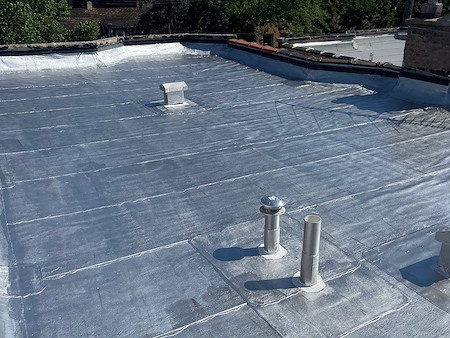
Chicago weather is tough on flat roofs. If you are weighing flat roof replacement vs. repair, this guide walks you through lifespan, warning signs, local conditions, and long-term value so you can choose with confidence. If you are leaning toward a full upgrade, explore your options on our flat roof replacement page.
We wrote this for owners and boards managing two-flats, courtyard condos, commercial spaces, and garages across Lakeview, Lincoln Park, Bucktown, Wicker Park, the West Loop, and beyond. Our goal is simple: help you decide the right move at the right time, without guesswork.
How Chicago Weather Shapes Flat Roof Lifespan
Flat roofs in Chicago face freeze-thaw cycles, lake-effect snow, summer UV, and wind off the lake. These forces fatigue seams, age coatings, and can create ponding water that shortens service life if drainage is poor.
Typical lifespan ranges vary by system and maintenance:
- EPDM: about 20 to 30 years with quality installation and regular care
- TPO: about 15 to 25 years depending on membrane thickness and sun exposure
- PVC: about 20 to 30 years when seams and flashings stay sound
- Modified bitumen: about 15 to 25 years, often improved with reflective coating and good drainage
These are broad ranges. Roof age, foot traffic, rooftop equipment, and how quickly leaks get addressed all matter. A roof near the lake that sees more wind uplift or a West Town building with constant HVAC foot traffic may age faster than a low-traffic garage roof in Portage Park.
Signs You Can Choose Repair Over Replacement
Repairs make sense when damage is isolated and the system is not at the end of its useful life. A professional inspection helps confirm the root cause and whether the membrane and insulation remain dry.
- Small, localized punctures or cuts from tools or windblown debris
- Minor seam splits or a few loose termination bars at edges
- Cracked or deteriorated flashing around one or two penetrations
- Blisters in the membrane that are limited and not leaking
- Shallow ponding near a drain that clears within a day after rain
If the roof is relatively young, repairs done right can stabilize it and buy time. Pair that with a maintenance plan and consistent drain cleaning to stretch your investment.
When Replacement Is the Smarter Long-Term Move
Replacement becomes the safer, more durable choice when problems are widespread or chronic. Look for these red flags:
Never ignore active leaks that return after patching or show up in multiple areas. Repeated leaks often signal deeper issues like saturated insulation or failing seams across the field of the roof.
Other triggers for a full replacement include:
- Insulation tests or scans suggest moisture saturation over large areas
- Membrane shrinkage causing pulled seams or bridging at parapet walls
- Widespread alligatoring or blistering on modified bitumen
- Frequent emergency calls after heavy rain or spring thaw
- End-of-life age combined with new leaks, soft spots, or surface wear
- Building use changes that demand better energy performance or fire ratings
If you are there, you will likely save stress by planning a system that solves root causes: insulation R-value, tapered design for drainage, durable walk pads for tech access, and robust flashing at walls and curbs.
Cost Drivers in Chicago Without Numbers
Every roof and season is different, so pricing varies by home size, material, and time of year. Here are the big cost drivers you can control or plan for:
Always fix safety hazards first such as loose edges or trip risks near drains. From there, expect factors like these to influence your project total:
- Access: alley crane needs, street permits, and staging space in dense neighborhoods
- Tear-off vs. overlay: removal adds labor and hauling; overlays can be limited by condition and load
- Complexity: skylights, vents, rooftop patios, and heavy HVAC curbs add detail work
- Drainage: adding tapered insulation or extra drains to stop ponding
- Seasonality: winter work windows are tighter, and spring calendars fill quickly
If you choose replacement, review membrane options, insulation upgrades, and details that prevent recurring issues. You can compare those choices on our roof replacement page.
Lifespan Math: Repair Today or Replace Now
Think of repairs as a bridge. If the system is in decent shape, targeted repairs and maintenance might add a few years. If the roof is older with multiple weak points, repairs may only pause the inevitable.
Replacement resets the clock and removes hidden risk like wet insulation. Many owners prefer that certainty, especially for tenant-occupied buildings in the South Loop or for stores in the West Loop that cannot risk downtime. The right call often comes down to how sensitive your space is to leaks and how long you plan to hold the property.
Flat Roof Materials: What Fits Your Building
Each system has trade-offs. Matching the membrane to your building and use is key.
Choose a system designed for ponding water if your roof has tricky drainage or long runs to the scupper. Discuss these common options during a professional assessment:
EPDM: A rubber membrane known for flexibility. Works well on larger roofs with minimal rooftop traffic. Black finish can warm in summer; white options exist to reduce heat.
TPO: A white thermoplastic that reflects heat and can help with energy performance. Heat-welded seams are strong, and thickness options help durability.
PVC: Another thermoplastic with chemical resistance. Often chosen for restaurants or buildings with rooftop grease or lab exhausts.
Modified Bitumen: A multi-ply asphalt-based system. Good puncture resistance and familiar detailing around edges and walls; coatings can help with sun exposure.
Maintenance That Protects Your Investment
Regardless of repair or replacement, consistent care prevents small issues from turning into big ones. A simple plan keeps water moving and seams tight.
- Clear drains and scuppers before spring storms and fall leaf drop
- Check seams and flashings after major wind or heavy snow
- Use walk pads to protect routes to HVAC units and antennas
- Document photos every visit to catch changes early
If you are still deciding on your system, see how flat roofing is right for your property and what matters for long-term performance.
When To Replace a Flat Roof: Simple Decision Points
Use these checkpoints to support your choice without guesswork:
- If the roof is within the last quarter of its expected lifespan and leaks are increasing, plan replacement
- If testing shows widespread wet insulation, replacement is usually the prudent move
- If damage is isolated and the roof is mid-life, a targeted repair plus maintenance can be smart
- If you have zero tolerance for leaks due to sensitive interiors, prioritize replacement sooner
Owners often ask about the “flat roof lifespan Chicago” question. Local weather can shorten or extend those ranges based on drainage and maintenance. A short professional inspection clarifies the real condition fast.
Neighborhood Scenarios Across Chicago
Lakeview condo association: ponding near a corner scupper keeps returning. The board elects a tapered insulation plan and new membrane to solve the pitch once and for all. Repairs had bought time, but replacement ended recurring hallway leaks and drywall repairs.
West Loop retail with rooftop HVAC: repeated service calls created punctures along the tech path. Walk pads and a thicker membrane with reinforced flashing ended the cycle. Here, replacement provided a clean slate and a safer route for technicians.
Portage Park bungalow garage: an aging modified bitumen roof with one leak near the flashing. The system was otherwise sound, so a targeted repair and new counterflashing stabilized the area and extended service life.
How Anchor Point Roofing Helps You Decide
We start with a thorough roof assessment that looks at seams, flashings, drains, membrane condition, and moisture risk. We explain findings in plain language and show photos so you can see what we see. If replacement is the better choice, we outline membrane options, insulation choices, and details that protect against Chicago’s freeze-thaw cycles and ponding water.
Want a second opinion or a clear plan for the next 5 to 10 years? Call 312-724-8200. Or explore Flat Roof Replacement in Chicago to learn how the process works and what to expect from start to finish.
Ready To Make the Call? Get Clarity Today
If your roof is leaking in Bronzeville, sweating the thaw in Rogers Park, or showing end-of-life wear in Bridgeport, the best next step is a professional evaluation. We will confirm whether a focused repair will do the job or if a full system will save headaches over time. When replacement is the right choice, our team plans details that fit your building and your season.
Take the first step toward a dry, durable roof with roof replacement solutions that match Chicago's conditions. For quick help, reach Anchor Point Roofing at 312-724-8200.
Let Us Help You Get Back On Your Rooftop. Contact Our Chicago Roofers Today!