How Long Does a Roof Replacement Take in Chicago?
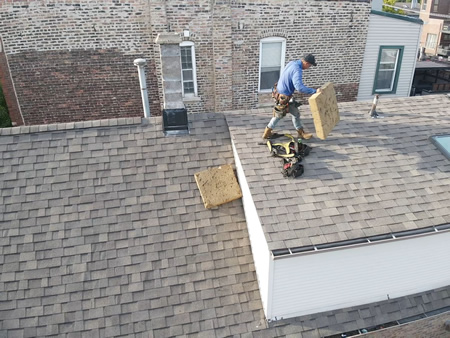
If you are planning a roof replacement in Chicago, timing matters. Most residential projects take one to three working days, but the exact schedule depends on your home, your material, and the weather window. When you want a smooth experience, it helps to work with a local team that plans every step. See how Anchor Point Roofing approaches roof replacement so the job finishes on time and with less stress.
Below, we break down a realistic roof replacement timeline, what can speed things up, and what can slow things down across neighborhoods like Lakeview, Lincoln Park, Bronzeville, and Edison Park. We also touch on how commercial reroof schedules differ from residential roof replacement duration, especially for flat roofs common from the West Loop to the South Shore.
What Affects Your Roof Replacement Timeline
No two roofs are the same, so timelines vary. Factors below shape how many workdays your project requires and how your crew stages the site in a tight Chicago lot or alley.
- Roof size and layout, including number of stories and sections
- Material type and installation method
- Pitch and safety setup needs on steep or complex roofs
- Old layers to remove and the condition of the decking
- Access and logistics, like alley clearance for a dumpster and deliveries
- Weather windows, especially wind holds and rain chances around Lake Michigan
- Building rules such as working hours, elevators, and staging areas for multi-unit buildings
Good planning cuts downtime. That includes ordering materials early, confirming delivery access, and pre-checking attic ventilation and decking so there are fewer surprises.
Typical Timelines For Homes In Chicago
Here are realistic ranges many homeowners see around the city and close-in suburbs like Evanston and Oak Park. Your specific timeline may be shorter or longer based on the factors above.
- One-story asphalt shingle home with easy access: about 1 day
- Two-story asphalt shingle home or complex dormers: about 2 days
- Premium or heavier shingles with added details: about 2 to 3 days
- Residential flat roof membrane with insulation changes: about 2 to 4 days
- Large multi-unit residential building: commonly 3 to 5 days in phases
Many projects wrap up within two workdays when the deck is solid and the layout is straightforward. If the crew finds widespread decking issues, they will pause to replace damaged sections so the new roof lasts. That adds time, but it prevents early failure.
How Chicago Weather Changes The Schedule
Our lakefront climate plays a big role. Crews watch wind speeds closely, since high gusts make it unsafe to carry or place shingles. Lightning and heavy rain also trigger pauses. In summer, intense heat can mean shorter working windows so installers stay safe and materials seal properly. In late fall and winter, daylight is shorter and adhesives may need more time to set.
Weather delays during roofing are normal and are planned into the schedule. A well-run project builds in buffer time so one pop-up storm does not derail the entire week. If the forecast shifts, your crew can re-sequence tear-off and installation to protect your home and keep progress moving.
Local tip: In winter, work can start later in the morning to let surfaces dry and warm up. That keeps your installation safe and helps adhesives perform. If you have alley access, clearing a consistent staging area makes each delivery faster and the whole job smoother.
Residential Versus Commercial Reroof Schedules
Residential schedules focus on finishing quickly while your household stays comfortable. Commercial reroof schedules often run in phases to keep businesses open and protect tenants or inventory. Many Chicago commercial buildings have low-slope or flat roofs. These systems may call for insulation changes or staggered areas so traffic can keep flowing.
On smaller storefronts or single-tenant buildings, a reroof might finish in two to four days. Larger footprints, multi-tenant spaces, and downtown logistics can extend work across a week or more in planned sections. The key is phasing and clear communication with property managers to time material lifts, elevator use, and safety barricades.
Inside A Well-Run Project Plan
A strong plan keeps your roof replacement timeline on track. It starts with a site review and an honest scope. Your crew measures, checks ventilation, looks for signs of hidden deck issues, and maps the safest paths for loading and tear-off. Next comes scheduling materials and confirming where the dumpster and lift truck will sit without blocking neighbors or deliveries.
On day one, tear-off begins and protective tarps go down. Debris is removed as sections are stripped, then the deck is inspected. Damaged sheathing is replaced so the surface is sound. Underlayment and flashing go in before shingles or membrane are installed. The final step is cleanup, magnet sweeping for nails, and a walkthrough so you know what was done and how to care for the new system.
How Seasonality Shapes Expectations
Spring and summer often allow the fastest progress thanks to longer daylight. Afternoon storms can pop up, so teams may front-load work in the morning. Fall is popular because temperatures are comfortable for installers and materials. Winter projects still happen across Chicago, but weather windows can be tighter and cure times longer. Crews adapt by planning smaller daily sections or staging more protection so open areas are never left exposed.
In any season, a trusted local contractor will prioritize weather safety and your property. If conditions are not right, pausing work protects your home and the crew. That is not lost time. It is smart scheduling that leads to a better roof.
Communication Keeps Everything Moving
Clear updates make a big difference. Before work starts, confirm start times, parking plans, and where pets should stay during tear-off. Ask how you will get daily progress notes and photos. If you manage a condo association in the South Loop or Near West Side, share building rules ahead of time so the crew can plan deliveries and elevator reservations without surprises.
If something unexpected appears after tear-off, you will want fast, transparent options. A good partner explains the issue, shows photos, and outlines how a repair affects the schedule. This helps you make a confident decision without delaying the whole job.
Examples Of Realistic Day-By-Day Flow
Every project is unique, but many Chicago-area homes follow a pattern like this:
Day 1: Crew arrival, protection, tear-off on the first section, deck repairs if needed, dry-in with underlayment and flashing. Begin installing new shingles or start base layers on a flat roof.
Day 2: Complete installation across remaining sections, detail work around chimneys and skylights, ridge ventilation, and thorough cleanup. Final walkthrough with photos and care tips.
If complex details, multiple layers, or unexpected deck work appear, a third day handles those tasks. Larger or phased buildings repeat this flow across sections until all areas are complete.
How To Prepare Your Property For A Faster Job
A little prep goes a long way. Clearing vehicles from the driveway or alley makes loading easier. Inside, take down fragile items that could rattle during tear-off. Let neighbors know about the schedule so everyone is ready for delivery windows.
If you are monitoring an aging roof but are not ready to replace, timely fixes can prevent bigger issues that slow a future project. When you notice warning signs, schedule roof repair so small problems stay small.
Flat Roofs And Downtown Logistics
Many buildings from Uptown to the Loop use flat or low-slope systems. These projects can include insulation adjustments, tapered systems for drainage, and staged areas to keep entries open. Adhesives often have temperature and moisture guidelines, which is why crews plan timing carefully when lake breezes bring humidity or when winter air turns cold.
If your property uses a flat system, ask how the team will phase the job and protect occupied spaces during tear-off. You can also review the plan for roof access and where materials will be lifted to the roof. That keeps people moving safely while work progresses.
How Anchor Point Roofing Plans Your Schedule
Local experience matters in Chicago. Our team sequences work so each section is opened and dried-in the same day. We watch the forecast hour by hour and build buffer time around likely wind or rain. When supply deliveries run through tight alleys, we schedule them early to reduce conflicts and keep your project on track.
Want a dependable plan? Explore our approach to roof replacement and see how we keep projects moving without cutting corners.
When You Need A Straight Answer On Timing
If you are deciding when to schedule your project, start with a quick site check and a clear scope. You can review the roof replacement timeline considerations on our site, then talk with a project manager about the best week for your block and the season. For many homes, setting aside two working days is a safe starting point, with a weather buffer if the forecast is unsettled.
When you are ready, call us at 312-724-8200. A short conversation can align your goals, material choices, and the right weather window so your new roof is installed safely and efficiently.
Ready To Plan Your Roof Replacement In Chicago?
Your roof protects everything underneath it. Choose a partner that respects your time and your property. Anchor Point Roofing will help you pick materials, map the schedule, and plan around local conditions so the work is done right. If you are comparing options, our team is here to help you choose the best week and the right system for your home or building.
When it is time to move forward, reach out and we will get your project on the calendar with a clear, reliable plan so you know what to expect each day. You can start the process by connecting with our team and reviewing the steps for your specific property on our service page for roof replacement.
Let Us Help You Get Back On Your Rooftop. Contact Our Chicago Roofers Today!