Roof Repair in Chicago After High Winds: What to Look for Before It Gets Worse
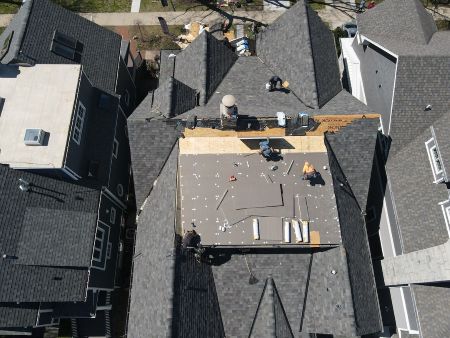
High winds in Chicago can rattle your roof even when the shingles look fine from the street. Gusts off Lake Michigan tug at ridge caps, loosen flashing, and nick the drip edge. If a recent storm swept through your block in Lakeview, Logan Square, or Beverly, a careful check from the ground can help you spot trouble early. If anything looks off, schedule roof repair before small openings turn into steady leaks.
Why Chicago’s High Winds Create Hidden Roof Damage
Wind does more than lift a few shingles. It creates pressure along edges and peaks that can break the seal between shingle tabs. Flying debris from alleys and parkway trees can leave tiny punctures you cannot see from the sidewalk. On flat and low-slope roofs common in two-flats and townhomes, wind can wrinkle seams and pull at terminations near parapet walls.
These problems often start small. Then the next rain pushes water under the surface where it darkens the decking and finds nail holes. In colder snaps, freeze and thaw can widen those gaps and make a minor issue grow fast.
What To Look For From the Ground After a Wind Event
Walk your property and use your phone camera to zoom in. Do not climb on the roof. Look for simple cues that suggest wind distress and deserve a professional inspection.
- Lifted or creased shingle tabs that look bent or out of line
- Loose flashing around chimneys, skylights, or wall transitions
- Edge damage near gutters, including bent or missing drip edge
- Tree branch scuffs or small divots that can hide punctures
- Granule piles in gutters or at downspouts after rain
- Missing ridge caps along the very top of the roof
- Soffit panels popped loose on the windward side of the house
If you notice any of the above, do not wait for the next storm cycle. A prompt inspection can confirm what is cosmetic and what needs attention.
Common Wind Damage on Chicago Roofs
Asphalt shingle roofs often show lifted corners, creased tabs, and missing pieces near hips, valleys, and rakes. Look closely at areas where shingles meet walls or dormers, since wind works under the metal flashing there. Flat and low-slope membranes can develop fishmouths at seams or tears near roof edges. Even metal panels can loosen at fasteners if gusts rattle the laps.
Ridge lines, eaves along the alley, and the side that faces the open lake or wide streets usually take the hardest hit. That is where uplift forces and flying debris work together to open a path for water.
How Fast Wind Damage Gets Worse
Minor lifting breaks the bond that keeps shingles watertight. The next rainfall rides under those tabs and wets the felt and decking. Repeated cycles soak the wood, stain ceilings, and can swell trim around windows and walls.
Do not ignore lifted shingles that lie back down after the wind passes. The adhesive strip may be compromised and will not fully reseal in cooler or dusty conditions. Hidden punctures often leak days or weeks later as heavy rain or melting snow pressure water through the opening. The sooner a pro seals and secures those spots, the better your chances of avoiding deck repairs or interior damage.
Wind Hotspots: Where Problems Tend To Start
Chicago homes share a few weak points that show stress right after a storm. A careful pro inspection focuses on these first so repairs can stop water fast.
- Chimneys and skylights where flashing can loosen or wrinkle
- Drip edge and starter strip along rakes and eaves
- Ridge caps and hip lines where pieces can tear away
- Valleys that collect wind-driven rain and debris
- Parapet walls and terminations on low-slope sections
If several areas are compromised or large sections are missing, a full roof replacement may be the safer long-term fix. An experienced inspector will explain what is repairable now and what is likely to fail next season.
What a Professional Inspection Includes
A trusted roofing company starts outside, checks edges and penetrations, and then looks inside for moisture signs. In many Chicago homes, the attic reveals the real story. A musty smell, darkened sheathing, or rusty nails can show where water is sneaking in even when ceilings look clean.
Inspectors often trace stains to a lifted shingle course or a loose flashing step. They document conditions with photos, mark repair points, and prioritize any opening that can take on water in the next rain. When the roof pitch or conditions make it safer, drone photos can capture damage without walking the surface.
For homeowners who want a simple next step, scheduling timely roof repair keeps small issues from spreading into other rooms and finishes. That is especially important before heavy spring storms or fall cold fronts roll through.
Documentation and Insurance Basics
Storm policies vary by provider, home, and materials. A good practice is to save the date of the wind event, keep photos, and file notes from your inspection and repair. Share that record with your insurance agent for guidance on your specific policy. Your roofing contractor can provide a written scope and photos that support the claim process, but coverage decisions rest with your carrier.
Repair or Replace: Making the Call
Targeted repairs make sense when wind affected small, defined areas and the rest of the roof still has healthy life left. If missing shingles expose wide swaths of underlayment, if flashing has failed in multiple places, or if leaks have soaked the decking, replacement may be smarter. The age of your roof, its overall condition, and how it has weathered past storms all matter.
Homeowners in Hyde Park, Rogers Park, and Jefferson Park often face different wind patterns and roof styles. Local experience helps. A contractor who works across the city understands how open lake exposure, tree cover, and building height change the way a roof takes on wind and rain.
Choosing a Chicago Roofing Company You Can Trust
Look for clear inspection photos, a written repair plan, and a timeline that respects our quick-changing weather. Ask about how materials will be matched and sealed so repairs blend and perform. It also helps to work with a team that knows permit timing and neighborhood access quirks for alleys and tight lots, even when permits are not needed for minor work.
You can start at the source with roof repair in chicago resources, then compare what different contractors include in their workmanship approach. Clear communication and documented repairs protect your home and your peace of mind.
What Homeowners Often Notice First
These small signals show up early and usually point to bigger problems behind the surface. If you spot them, it is time to bring in a pro so moisture does not spread into insulation, drywall, and hardwoods.
Three early clues worth a quick call:
- Water spots that bloom at ceiling edges after a windy rain
- Gutters catching extra shingle granules after storms
- Drafts or musty smells in upstairs rooms near rooflines
Even if the storm seemed mild in your part of the city, wind direction matters. A narrow squall can nick one side of a block and skip the next. A fast visit from a qualified pro can confirm whether your roof is fine or needs attention now.
Next Steps: Protect Your Home Before It Gets Worse
If high winds just rolled through Chicago and you see lifted shingles, loose flashing, edge damage, or think there could be hidden punctures, act now. Call Anchor Point Roofing at 312-724-8200 to get on the schedule. For fast help that keeps water out and preserves your roof’s life, request expert roof repair and rest easy before the next storm hits.
One small repair made today can spare you from larger interior fixes tomorrow. A quick inspection and the right solution will help your home stay dry through every windy Chicago season.
Let Us Help You Get Back On Your Rooftop. Contact Our Chicago Roofers Today!