Commercial Roofing Maintenance in Chicago: A Quarterly Checklist That Prevents Emergency Calls
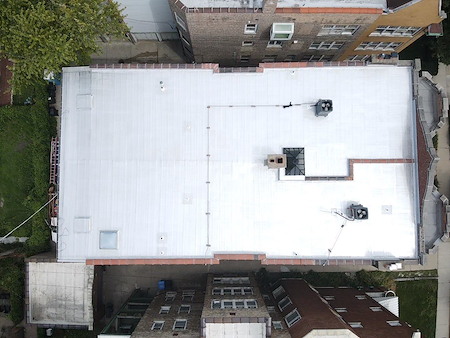
Chicago weather is tough on low-slope roofs. A steady, quarterly commercial roof maintenance checklist keeps small issues from turning into overnight emergencies. If you already see stains or active drips, schedule roof repair with Anchor Point Roofing so a pro can diagnose the source before the next storm rolls in.
Why Quarterly Matters In Chicago
Our city’s freeze-thaw swings, lake-effect snow, spring downpours, and summer heat put every roof to the test. Water forces its way into weak spots at seams, penetrations, and rooftop units, then travels through insulation before showing up inside. Quarterly checks keep pace with these seasonal shifts and catch problems early for buildings from the Loop to West Town, South Loop, and River North.
Think of your roof like a busy hallway. People, service vendors, and weather all pass through. Without a routine, clutter builds up and something gets damaged. A simple schedule keeps traffic moving and your operations protected.
What Pros Check Every Quarter
Drains, Scuppers, And Overflows
Water must leave the roof quickly. Pros verify that internal drains, strainers, scuppers, and overflow outlets are clear, seated, and pitched to flow. They look for ponding patterns near scuppers, check for backflow stains, and review through-wall details where ice can lift sealant.
Seams, Terminations, And Flashings
Seams and terminations take the most movement. Technicians inspect laps for lift or bridging, confirm edge metal is tight, and examine counterflashing along parapet walls. Minor separations often start around corners and transitions.
Penetrations Around Rooftop Units
HVAC curbs, vent stacks, solar conduit, and pitch pans are common leak points. A maintenance visit confirms secure attachments, sound sealant, and intact materials where vibration and thermal cycling stress the flashing.
Perimeters, Parapets, And Walls
Wind loading in neighborhoods near the lake can tug at edges and corners. Crews check for loose fasteners, exposed fastener heads, or cracked masonry pointing that invites moisture behind the system.
Walk Pads And Traffic Paths
Service techs often repeat the same routes to rooftop units. Smart maintenance reviews walk pad placement, looks for punctures near ladder landings, and notes debris that could grind into the membrane.
Documentation And Photos
Every visit should end with date-stamped photos, a simple map of observed conditions, and a prioritized list of recommended repairs. That record speeds future troubleshooting and helps budget planning.
The Seasonal Game Plan: A Simple Q1–Q4 Checklist
Align your quarterly maintenance with Chicago’s seasons so the roof is ready before weather shifts.
- Q1: Post-winter review. Check for split seams, ice-lifted flashing, stressed terminations, and strainers cracked by freeze. Verify drains and scuppers flow after thaw.
- Q2: Spring storm prep. Confirm secure edge metal, reseal minor openings at penetrations, assess ponding patterns after heavy rain, and photo-document rooftop unit curbs.
- Q3: Heat and foot-traffic check. Look for membrane softening, blistering, or punctures near service paths. Ensure walk pads protect high-traffic routes to rooftop units.
- Q4: Pre-winter readiness. Tighten perimeters, inspect counterflashing, test overflow paths, and review snow response plans for sensitive areas like data rooms and clinics.
Early Warning Signs Your Team Should Report
Fast reporting prevents downtime across offices, schools, warehouses, and retail from Hyde Park to Jefferson Park.
- New ceiling spots, bubbling paint, or musty odors in corridors or near mechanical rooms
- Ponding that lingers more than 48 hours after a storm
- Loose edge metal, lifted seams, or exposed fasteners along parapets
- Rust near rooftop units, vents, or conduit penetrations
- Overflow scuppers that never show water marks after big rains, which can signal blocked primary drains
Never ignore ponding that lasts beyond two days. It speeds membrane wear and increases the chance that water finds a weak point.
How Quarterly Care Cuts Emergency Calls
Most emergency calls start as tiny openings at seams, penetrations, or drain details. Quarterly visits focus on those spots. They also catch issues caused by routine service work at rooftop units, where a single loose fastener or sharp tool can create a pinhole. By closing gaps and restoring details on a schedule, you reduce the risk of overnight leaks, ceiling damage, and last-minute tenant moves.
If you want a deeper dive on the risk of waiting, this article explains how a minor drip becomes business disruption: commercial roof repair: when a ‘small leak’ is a big risk.
Focus Areas For Chicago Properties
Different buildings around the city share patterns that a good checklist should cover:
Flat roofs in West Loop and Fulton Market: wide footprints mean longer water travel. Crews trace moisture migration from low spots back to seams or penetrations.
North Side mixed-use buildings: older parapet walls can hide hairline cracks. Maintenance confirms counterflashing contact and checks for efflorescence that signals moisture.
River North and South Loop offices: heavy rooftop unit traffic requires careful walk pad placement and inspections for punctures around service paths.
Industrial near O’Hare and along the river: vibration from equipment can stress curb flashings. Quarterly checks watch for seam movement and curb separation.
What To Expect From A Professional Visit
A quality maintenance visit is systematic, not a quick look. The crew documents conditions, pressure-tests suspect seams and flashings, and prioritizes repairs. You should receive a short, plain-language report with photos, a roof plan noting scuppers/drains and overflows, and a repair list grouped by urgency. That way, you can plan work without guesswork.
Do not send untrained staff onto the roof. A pro will inspect safely, spot subtle problems, and protect warranties where applicable.
Quarterly Checklist You Can Share With Stakeholders
Use this framework with property managers, facility teams, and tenants so everyone knows what pros are reviewing each quarter:
- Water pathways: drains, scuppers, strainers, and overflows verified clear and flowing
- Seams and terminations: no lift, bridging, or fishmouths at laps and edges
- Penetrations at rooftop units: sound sealant, intact boots, secure attachments, no cracks at pitch pans
- Perimeter and parapets: tight edge metal, intact counterflashing, no cracks in masonry or coping
- Traffic control: walk pads aligned with service routes, no punctures at ladder landings
- Documentation: date-stamped photos, updated roof map, and a prioritized repair list
Keep this simple and repeatable. When the same items are reviewed every quarter, trends become obvious long before a leak reaches the ceiling.
After Major Weather: Rapid Post-Event Checks
Chicago storms can arrive fast and hit hard. After high wind, heavy rain, or spring thaw, a professional should verify that drains and scuppers are flowing and that seams, terminations, and rooftop unit flashings held up. Fast verification after weather events limits interior damage and proves that your maintenance program is working.
Budget And Uptime Benefits
Planned maintenance is easier to schedule, easier to staff, and far less disruptive than emergency work. You avoid surprise closures for tenants in places like Lincoln Park or Bronzeville. You also keep insulation dry, which supports energy performance and comfort for people inside.
If an emergency does surface, having photos, a roof map, and recent notes helps crews go straight to the likely source. That saves time and helps operations return to normal sooner.
Who Should Own The Plan
Strong results come from clear roles. A building representative authorizes work, maintains access, and shares any interior observations. Your roofing partner performs the quarterly checks, completes minor same-visit repairs when appropriate, and reports on the system’s condition. Together, you decide the right timing for larger repairs or replacement planning.
To understand how a maintenance-first mindset fits with your long-term goals, explore commercial roof maintenance in Chicago resources and choose a local partner that documents every visit.
When It Is Time To Repair, Move Quickly
Ponding marks near scuppers, seam lift at terminations, rust at penetrations, or damp ceiling tiles are early signs. Acting now limits the scope of work and protects your tenants and equipment. If you suspect trouble, get a diagnosis from Anchor Point Roofing and prioritize targeted roof repair before it spreads.
Ready To Protect Your Roof And Budget? Let’s Talk
Quarterly maintenance gives Chicago properties an edge against wind, snow, and sudden storms. Connect with Anchor Point Roofing to build a simple plan and keep your team focused on business, not buckets. Call us at 312-724-8200 or schedule service through our page and we will align visits with your busiest seasons. When leaks show up or you need a fast professional assessment, our team responds quickly and helps you avoid repeat issues with a documented plan that fits your building.
Let Us Help You Get Back On Your Rooftop. Contact Our Chicago Roofers Today!