Flat Roof Replacement Cost in Chicago: What Impacts Price Most?
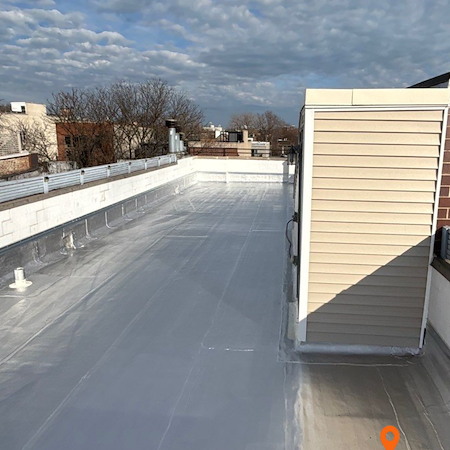
If you are trying to understand flat roof replacement cost in Chicago, you are not alone. Prices vary because every building, season, and scope is different. The fastest way to get clarity is to review the major cost drivers and how they show up on typical Chicago properties, then plan your project around them. If you want a quick overview of materials and process, explore our flat roofing page for context while you read.
Below, we break down the biggest factors that influence investment for two-flats, courtyard condos, mixed-use walkups, and single-family homes across neighborhoods like Lakeview, Avondale, and Bridgeport. No prices here because those shift by size, material, and season. Instead, you will learn what shapes the number so you can make a confident, apples-to-apples choice.
The Big Cost Drivers For Flat Roof Replacement In Chicago
Every roof has a different mix of conditions. Think of cost like a recipe. Change one ingredient and the flavor changes. Here are the ingredients most owners end up balancing:
- Square footage and layout, including narrow lots, L-shaped footprints, and tall parapet walls.
- Tear-off vs overlay. Full removal exposes hidden issues and adds labor and disposal. Overlays can be limited by condition and structural load.
- Material selection and thickness. TPO, modified bitumen, EPDM, and PVC each have different performance traits, detailing, and labor needs.
- Insulation plan. R-value targets and tapered design to remove ponding, plus cover boards to protect the system.
- Access and staging. Alley crane placement, roof height, freight elevators, and debris handling affect crew time.
- Deck repairs. Soft spots in wood, fastener corrosion on metal, or spalled concrete need correction before the new system.
- Details and penetrations. Skylights, vents, roof decks, scuppers, and HVAC curbs increase flashing work.
- Drainage upgrades. Additional drains or scuppers and revised slopes reduce future water-related problems.
- Seasonality and scheduling. Winter windows are shorter and spring calendars fill quickly after thaw.
If you are still weighing timing, this flat roof replacement vs. repair guide explains how lifespan and risk intersect with budget in our climate.
Material Choices: Modified Bitumen vs TPO vs EPDM vs PVC
Membrane choice does not just change the look of your roof. It shapes labor, detailing, and long-term performance. In Chicago, owners often compare modified bitumen and TPO because both are common on homes and low-rise buildings.
Modified bitumen is a multi-ply system with durable surfacing and familiar edge details. It handles foot traffic well, which matters when techs access rooftop HVAC. TPO is a light-colored, heat-welded membrane that reflects summer sun and helps limit heat gain. EPDM offers flexibility with fewer seams on larger decks, and PVC brings strong chemical resistance around restaurant exhaust or lab vents.
What affects your total most is not only the brand. It is the membrane thickness, how seams are formed, the number of penetrations, and the protection above the field. Add-ons like walk pads along service paths can protect any system and reduce future repairs. Choose the system that solves your building’s real problems, not just the material with the flashiest brochure.
Tear-Off vs Overlay: Which Path Fits Your Building
On paper, an overlay can look faster. In real life, it depends on conditions. An overlay may be an option if the existing roof is dry, well-bonded, and within structural load limits. A tear-off becomes the smarter path when the membrane is failing broadly or testing shows wet insulation.
Covering wet or failing layers traps problems and can drive up costs later. Tear-off lets your roofer correct deck issues, rebuild edges, and reset the slope with tapered insulation. Overlays can work as a bridge plan, but only when a professional assessment confirms the assembly is dry and stable. In vintage two-flats and greystones, multiple past layers, hidden deck damage, and tired flashing around parapet walls often push the project toward removal.
Insulation And Tapered Design That Control Lifetime Cost
Insulation is not just about winter comfort. It protects the building from heat swing and supports the membrane. Many Chicago roofs benefit from polyiso insulation paired with a cover board for durability. Where water lingers after storms, tapered insulation directs it to drains or scuppers so surfaces dry out between rains.
Ponding is common on broad garage roofs, courtyard condos, and buildings with long runs to a rear scupper. Tapered plans and added drains reduce standing water and stress on seams. Spending smart on slope and R-value often saves more in leak prevention and energy than it adds up front.
Access, Logistics, And Seasonality In Chicago
How crews get to your roof matters. Tight alleys, overhead lines, limited staging, and multi-story heights can extend setup and hauling time. In denser areas like Wicker Park and the West Loop, coordinating deliveries and debris removal takes planning. Winter work windows are shorter due to temperature and daylight, while spring is busy as owners tackle leaks uncovered by thaw.
Safety and access planning are part of the bid, not an afterthought. Ask how crews will protect landscaping and walkways, manage debris, and secure pathways for tenants or customers during work hours.
Scope Details That Add Up
The membrane is only part of the story. Budget is also shaped by detail work that keeps water out for the long haul:
- Parapet walls and coping stones. Loose or cracked masonry needs repair before new flashing will last.
- Skylights and hatches. Reflashing or replacement may be required if frames are corroded or warped.
- Rooftop equipment. Extra curbs, pitch pans, and supports increase labor and materials.
- Drain bowls, strainers, and scuppers. Upgrades reduce backups and help the new taper plan do its job.
- Edge metal and terminations. Robust edges fight wind uplift along Chicago’s lake-driven gusts.
These details are the difference between a roof that looks good on day one and a roof that stays tight through winters on the North Side and storms rolling off Lake Michigan.
How To Keep Your Project Predictable And High-Value
Price control starts with clarity. Here is a simple playbook that works for homes, two-flats, and small associations:
Define the problem, then pick the system. Ask for a clear assessment with photos showing membrane condition, moisture checks, and deck status before choosing materials. Request a tapered layout when ponding is known. Align insulation R-value with your comfort and energy goals, then select the membrane that fits how the roof is used.
Get a written scope that lists tear-off or overlay, insulation type and thickness, cover board, flashing details at parapets and penetrations, drain changes, and walk pads along tech routes. Compare “apples to apples” across proposals, including staging, protection, and cleanup. When you want broad system context and timing help, skim our roof replacement overview to see how full-system planning comes together.
If you are researching vendors, use the phrase flat roof replacement cost chicago as a starting point and then focus on local portfolios. Look for projects in neighborhoods like Ravenswood, Pilsen, or Jefferson Park that match your roof size and features. That kind of match tells you more about fit than any national average you find online.
When Modified Bitumen Beats TPO, And When TPO Wins
There is no single winner for every building. Modified bitumen’s multi-ply build and granular cap handle foot traffic and complex edges well. TPO’s welded seams and reflective surface help manage summer heat and can simplify maintenance on wide-open roofs. EPDM and PVC have their own sweet spots too.
Use this rule of thumb: choose the membrane that best handles your daily reality. Lots of HVAC foot traffic and tricky parapets may point toward modified bitumen with walk pads. Large open fields with sun exposure may favor TPO in a heavier thickness. Restaurants or labs with chemical exhaust often lean PVC for resistance at penetrations. The right answer is the one that solves your building’s risks without overcomplicating the install.
Tear-Off Timing, Permits, And Expectations
Project timing in Chicago depends on building logistics and the season. Street or alley coordination, debris handling, and delivery scheduling can extend or compress the calendar. Local permits are typical for replacement, but requirements vary by property type and scope. Your estimator will outline what is needed for your situation without guesswork.
For associations and multi-unit owners, plan for interior protection, elevator reservations where applicable, and clear communication with residents. A timeline that accounts for weather windows and staging constraints keeps work moving and reduces disruption.
Ready To Plan Your Chicago Flat Roof The Smart Way?
The right plan fixes the root causes, not just the symptoms. If you want a walk-through of materials, slope, and details that fit your building, review our approach to flat roof replacement in chicago and see how the pieces fit together. Then get a clear, photo-documented assessment and a scope that matches your goals.
When you are ready, Anchor Point Roofing will help you choose materials, insulation, and details that stand up to lake-effect snow, spring storms, and summer sun. Call us at 312-724-8200 or start with a quick message. To move forward this week, schedule a visit and we will confirm conditions, map the scope, and give you a dependable plan. For next steps and deeper material insights, visit our page on flat roofing and reach out when you are ready to talk.
Let Us Help You Get Back On Your Rooftop. Contact Our Chicago Roofers Today!